
On Tour with Prism Book Tours

Meet Me Under the Kissing Bough
By Josi S. Kilpack, Anneka R. Walker, Sarah L. McConkie
Historical Romance
Paperback, E-book, & Audiobook,
268 Pages
September 1, 2021 by Covenant Communications
A CHRISTMAS ROMANCE COLLECTION
We wish you a merry Christmas and a happily ever after! This special holiday historical romance anthology featuring three heartwarming novellas proves that no matter the obstacles, ’tis the season for love.
Meet Me Under the Kissing Bough
by Josi S. Kilpack
Deborah Winfrey hasn’t had the heart to host a holiday party since her husband’s death. But this Christmas, it’s time to move forward. The festivities bring renewed life to her home, and the attentions of two very different men promise a chance at new love.
Healing Hearts for the Holidays
by Anneka R. Walker
Julia Hunt is strictly forbidden from associating with the family in the nearby manor—including the handsome younger son, Esmond, who quickly steals her heart. With Christmas around the corner, an old bundle of hidden love letters may be the key to her own happily ever after.
A Christmas Correspondence
by Sarah L. McConkie
In this novella inspired by the timeless tale, A Christmas Carol, John Charleston finds himself on an unexpected journey in the company of the insufferable Lady Caroline Morleigh. But the magic of the season has a way of softening even the hardest of hearts.
(Affiliate links included.)
Guest Post: Behind the Scenes
This book is a retelling of A Christmas Carol. Most of the characters' names are some kind of spin-off of the original, or found somewhere in the book. It was fun figuring out a way to make past, present, and future work through letters and not ghosts! One of my favorite subtle hints are the door knockers (that give a nod back to the original) and the opening line of chapter 1: "The fact was that John Charleston felt dead. Dead as a doornail, really, whatever that meant."
—Sarah
—Sarah
About the Author

Tour Schedule
(Posts go live on the day they're scheduled.)
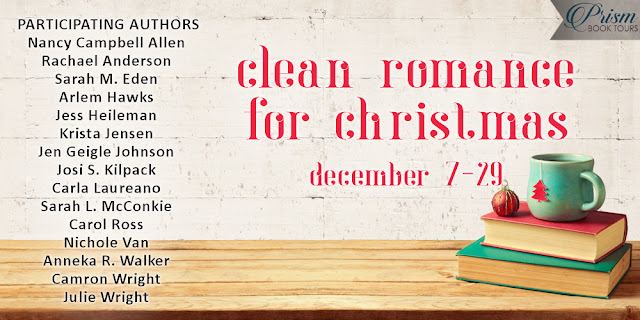
December 7th: Launch
December 8th: Nancy Campbell Allen - The Matchmaker's Lonely Heart
December 9th: Rachael Anderson - Five Kisses
December 10th: Sarah M. Eden - The Merchant and the Rogue
December 11th: Arlem Hawks - Georgana's Secret
December 12th: Jess Heileman - The Nabob's Daughter
December 13th: Krista Jensen - Miracle Creek Christmas
December 14th: Jen Geigle Johnson - A Christmas Kiss
December 15th: Josi S. Kilpack - Love and Lavender
December 16th: Carla Laureano - Discovered by Love series
December 17th: Sarah L. McConkie - Meet Me Under the Kissing Bough
December 18th: Carol Ross - His Hometown Yuletide Vow
December 19th: Nichole Van - Brotherhood of the Black Tartan series
December 20th: Anneka R. Walker - Brides and Brothers
December 21st: Camron Wright - Christmas by Accident
December 22nd: Julie Wright - A Captain for Caroline Gray
December 23rd: Grand Finale
Tour Giveaway
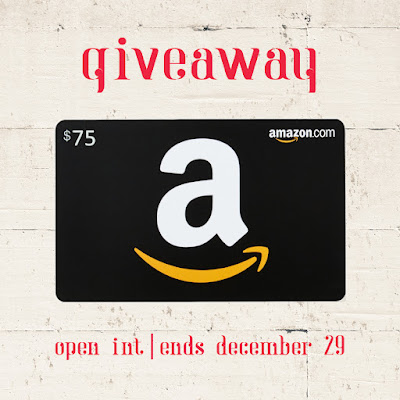
One winner will receive a $75 (USD) Amazon E-Gift Card
Open internationally
Ends December 29, 2021
Ends December 29, 2021


